Hair loss is a common concern for many people, especially as they age. It can be a distressing experience, affecting one's self-esteem and confidence. While it is normal to lose some hair every day, excessive hair loss can be a sign of an underlying issue.
What is Hair Loss?
Hair loss, also known as alopecia, is the gradual thinning or complete loss of hair from the scalp or other parts of the body. It can occur in both men and women and can be temporary or permanent.Hair loss can be caused by various factors, including genetics, hormonal changes, medical conditions, and certain medications.
Signs of Hair Loss
There are several signs that may indicate hair loss. These signs may vary depending on the cause and severity of the condition. Here are some common signs to look out for:1.Thinning Hair
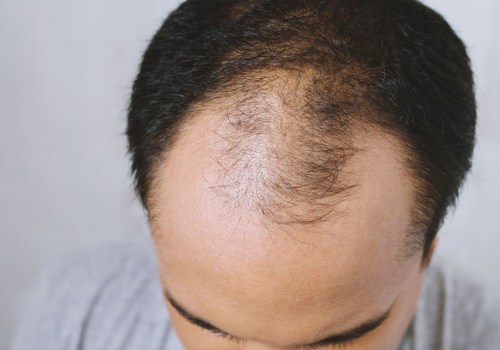
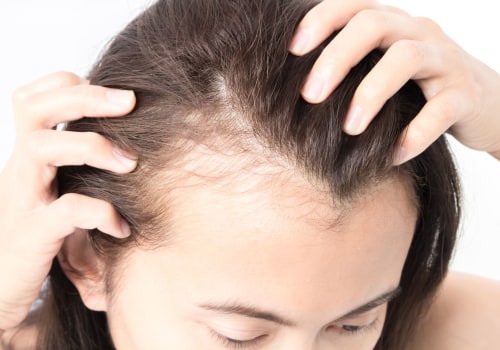
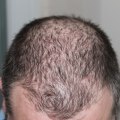
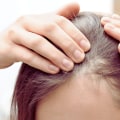
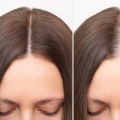
One of the first signs of hair loss is thinning hair. This can be noticed when you start to see more scalp than usual or when your ponytail becomes thinner. One of the first signs of hair loss is thinning hair. This can be noticed when you start to see more scalp than usual or when your ponytail becomes thinner.Thinning hair is often a gradual process and may not be noticeable until it becomes more severe.
2.Receding Hairline
A receding hairline is a common sign of male pattern baldness, which affects about 50% of men by the age of 50. It usually starts with a slight recession at the temples and then progresses to form an "M" shape on the scalp. A receding hairline is a common sign of male pattern baldness, which affects about 50% of men by the age of 50. It usually starts with a slight recession at the temples and then progresses to form an "M" shape on the scalp.3.Bald Spots
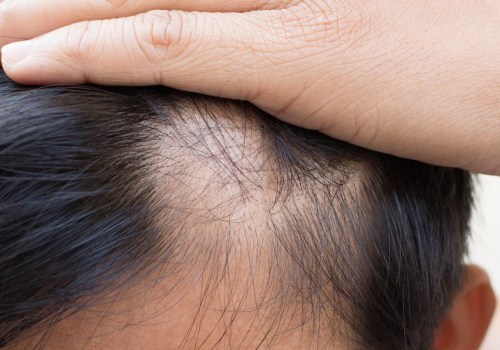
Bald spots are another sign of hair loss, which can occur in both men and women. These spots can be small or large and may be accompanied by redness, itching, or irritation.4.Excessive Shedding
It is normal to lose about 50-100 hairs per day. However, if you notice an excessive amount of hair falling out, it could be a sign of hair loss.This can be seen when you brush or wash your hair, or when you wake up in the morning and see a significant amount of hair on your pillow.
5.Changes in Hair Texture
Hair loss can also cause changes in the texture of your hair. It may become dry, brittle, and prone to breakage. This is because the hair follicles are not producing enough oil to keep the hair moisturized and healthy.6.Changes in Scalp
If you notice any changes in your scalp, such as redness, flaking, or scaling, it could be a sign of an underlying scalp condition that is causing hair loss. These changes may also be accompanied by itching or burning sensations.When to See a Doctor
If you are experiencing any of the above signs of hair loss, it is important to consult a doctor for proper diagnosis and treatment.Your doctor will examine your scalp and may perform blood tests or a scalp biopsy to determine the cause of your hair loss. If left untreated, hair loss can progress and become more difficult to treat. Therefore, it is important to seek medical attention as soon as possible.
Treatment Options for Hair Loss
The treatment for hair loss depends on the underlying cause. Here are some common treatment options:The treatment for hair loss depends on the underlying cause. Here are some common treatment options:1.Medications
There are various medications available to treat hair loss, such as minoxidil and finasteride. These medications work by stimulating hair growth and preventing further hair loss.2.Hair Transplant
In cases of permanent hair loss, a hair transplant may be recommended.This involves taking hair follicles from one part of the scalp and transplanting them to the affected area.
3.Lifestyle Changes
In some cases, making certain lifestyle changes can help improve hair loss. This includes eating a balanced diet, reducing stress, and avoiding harsh hair treatments.Preventing Hair Loss
While some types of hair loss cannot be prevented, there are steps you can take to maintain healthy hair and reduce the risk of hair loss:1.Eat a Healthy Diet
A balanced diet rich in protein, vitamins, and minerals is essential for healthy hair growth. Make sure to include foods like eggs, fish, nuts, and leafy greens in your diet.2.Avoid Harsh Hair Treatments
Chemicals used in hair treatments like bleaching, perming, and straightening can damage the hair follicles and lead to hair loss. Try to limit the use of these treatments or opt for natural alternatives.3.Manage Stress
Stress can contribute to hair loss by disrupting the normal hair growth cycle.Find ways to manage stress, such as exercise, meditation, or talking to a therapist.