Hair loss is a common concern for both men and women. It can be caused by a variety of factors, including genetics, hormones, and medical conditions. However, when it comes to pattern baldness, there is often a misconception that it affects both genders in the same way. In reality, there are significant differences between male and female pattern baldness. Hair loss is a common concern for both men and women. It can be caused by a variety of factors, including genetics, hormones, and medical conditions. However, when it comes to pattern baldness, there is often a misconception that it affects both genders in the same way. In reality, there are significant differences between male and female pattern baldness.
The Basics of Hair Loss
Before we dive into the differences between male and female pattern baldness, let's first understand the basics of hair loss.Hair loss, also known as alopecia, is the gradual thinning or loss of hair on the scalp. It can occur in both men and women and can be caused by a variety of factors. The most common type of hair loss is known as androgenetic alopecia, which is also referred to as male or female pattern baldness. This type of hair loss is caused by a combination of genetic and hormonal factors.
Male Pattern Baldness
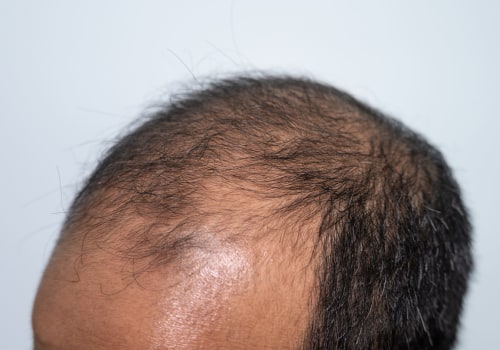
Male pattern baldness is the most common type of hair loss in men. It affects approximately 50% of men over the age of 50. Male pattern baldness is the most common type of hair loss in men. It affects approximately 50% of men over the age of 50.This type of hair loss is characterized by a receding hairline and thinning at the crown of the head. The main cause of male pattern baldness is genetics. It is inherited from both the mother and father's side of the family. The gene responsible for male pattern baldness is called the androgen receptor gene, which makes hair follicles sensitive to dihydrotestosterone (DHT), a hormone that causes hair follicles to shrink. In addition to genetics, male pattern baldness can also be influenced by hormones. Testosterone, the male sex hormone, is converted into DHT by an enzyme called 5-alpha reductase.
This conversion process can lead to hair follicle miniaturization, which causes hair to become thinner and shorter until it eventually stops growing.
Female Pattern Baldness
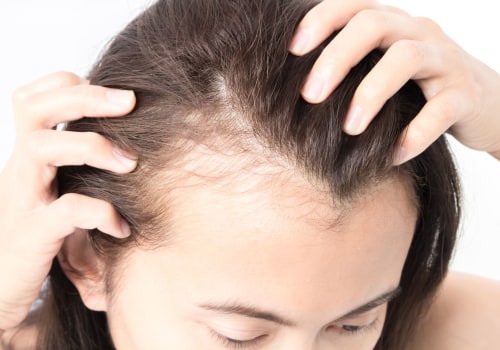
Female pattern baldness is less common than male pattern baldness, affecting approximately 40% of women over the age of 50. Unlike male pattern baldness, which typically starts in the late teens or early twenties, female pattern baldness usually begins after menopause. The main cause of female pattern baldness is also genetics. However, unlike male pattern baldness, it is inherited from the mother's side of the family. The gene responsible for female pattern baldness is called the aromatase gene, which converts testosterone into estrogen.This conversion process can lead to a decrease in estrogen levels, which can contribute to hair loss. In addition to genetics, female pattern baldness can also be influenced by hormonal changes. Pregnancy, menopause, and conditions such as polycystic ovary syndrome (PCOS) can all cause hormonal imbalances that can lead to hair loss. This conversion process can lead to a decrease in estrogen levels, which can contribute to hair loss. In addition to genetics, female pattern baldness can also be influenced by hormonal changes. Pregnancy, menopause, and conditions such as polycystic ovary syndrome (PCOS) can all cause hormonal imbalances that can lead to hair loss.
The Differences Between Male and Female Pattern Baldness
While male and female pattern baldness share some similarities, there are significant differences between the two. These differences include:- Age of onset: Male pattern baldness typically starts in the late teens or early twenties, while female pattern baldness usually begins after menopause.
- Pattern of hair loss: Male pattern baldness is characterized by a receding hairline and thinning at the crown of the head. Female pattern baldness, on the other hand, is characterized by thinning all over the scalp, with the hairline remaining intact.
- Genetics: Male pattern baldness is inherited from both the mother and father's side of the family, while female pattern baldness is inherited from the mother's side only.
- Hormonal influences: While both male and female pattern baldness are influenced by hormones, the specific hormones involved are different.
Male pattern baldness is primarily influenced by DHT, while female pattern baldness is influenced by estrogen.
Treatment Options for Male and Female Pattern Baldness
There are various treatment options available for both male and female pattern baldness. These include:There are various treatment options available for both male and female pattern baldness. These include:- Medications: Medications such as finasteride and minoxidil can help slow down or even reverse hair loss in both men and women. However, these medications may have different dosages and side effects for each gender.
- Hair transplant surgery: This involves taking hair follicles from one part of the scalp and transplanting them to areas where hair is thinning or receding. This option is more commonly used for male pattern baldness, as it requires a sufficient amount of donor hair.
- Hairpieces or wigs: For those who do not want to undergo surgery or take medication, hairpieces or wigs can be a temporary solution to cover up hair loss.
In Conclusion
In summary, while male and female pattern baldness share some similarities, there are significant differences between the two.These differences include age of onset, pattern of hair loss, genetics, and hormonal influences. Understanding these differences is crucial in determining the most effective treatment options for each gender. If you are experiencing hair loss, it is essential to consult with a medical professional to determine the underlying cause and develop a personalized treatment plan. Remember, hair loss is a common condition, and there are various options available to help you maintain a healthy head of hair.