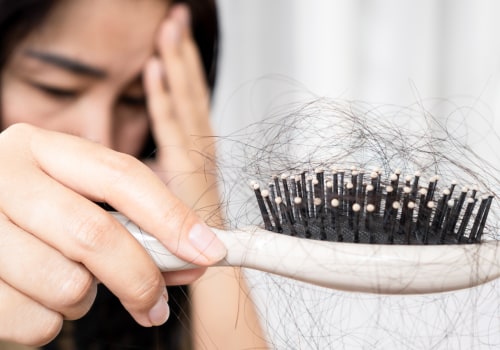
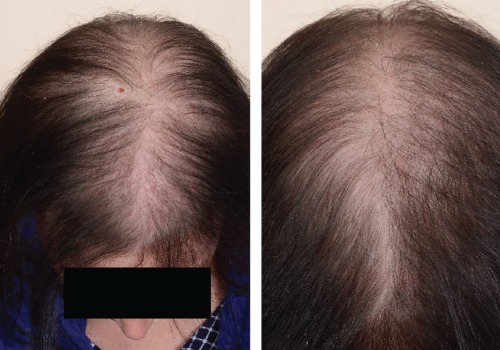
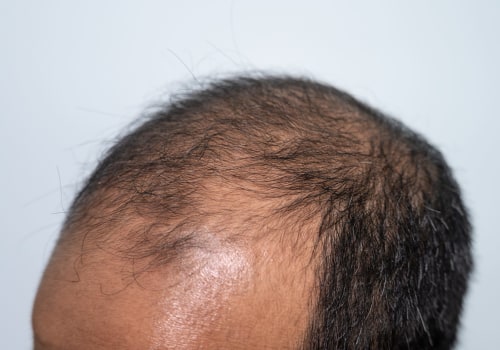
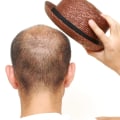
Hair loss is a common concern for many people, especially as they age. While it is often associated with genetics and aging, there are other factors that can contribute to hair loss, including certain medical treatments. As an expert in the field, I have seen firsthand how medical treatments can affect hair growth and the emotional toll it can take on individuals. In this article, we will explore the connection between hair loss and medical treatments, and provide insights on how to manage this side effect. Hair loss is a common concern for many people, especially as they age. While it is often associated with genetics and aging, there are other factors that can contribute to hair loss, including certain medical treatments. As an expert in the field, I have seen firsthand how medical treatments can affect hair growth and the emotional toll it can take on individuals. In this article, we will explore the connection between hair loss and medical treatments, and provide insights on how to manage this side effect.
The Basics of Hair Loss
Before delving into the relationship between hair loss and medical treatments, it is important to understand the basics of hair loss.Hair loss, also known as alopecia, is a condition where hair falls out from the scalp or other parts of the body. It can be temporary or permanent and can affect both men and women. The most common type of hair loss is androgenetic alopecia, also known as male or female pattern baldness. This type of hair loss is hereditary and is caused by a combination of genetics, hormones, and age. Other types of hair loss include alopecia areata, which is an autoimmune disorder, and telogen effluvium, which is caused by physical or emotional stress.
The Connection with Medical Treatments
While genetics and aging are the main culprits of hair loss, certain medical treatments can also contribute to this condition.Chemotherapy, a common treatment for cancer, is known to cause hair loss as it targets rapidly dividing cells in the body, including hair follicles. Radiation therapy can also cause hair loss in the area being treated. In addition to cancer treatments, other medications can also lead to hair loss as a side effect. These include blood thinners, antidepressants, and blood pressure medications. Hormonal treatments, such as birth control pills and hormone replacement therapy, can also cause hair loss in some individuals. Furthermore, medical procedures such as gastric bypass surgery and weight loss surgery can also result in hair loss. Chemotherapy, a common treatment for cancer, is known to cause hair loss as it targets rapidly dividing cells in the body, including hair follicles. Radiation therapy can also cause hair loss in the area being treated. In addition to cancer treatments, other medications can also lead to hair loss as a side effect. These include blood thinners, antidepressants, and blood pressure medications. Hormonal treatments, such as birth control pills and hormone replacement therapy, can also cause hair loss in some individuals. Furthermore, medical procedures such as gastric bypass surgery and weight loss surgery can also result in hair loss.
This is due to the body going into a state of shock and redirecting nutrients to vital organs instead of hair follicles.
Managing Hair Loss from Medical Treatments
For individuals who are undergoing medical treatments that may cause hair loss, it is important to discuss this potential side effect with their healthcare provider. In some cases, alternative treatments or adjustments to the current treatment plan may be possible to minimize hair loss. For those who are already experiencing hair loss as a result of medical treatments, there are several options available to manage this side effect. One option is to use a wig or hairpiece to cover up the hair loss. This can help boost confidence and self-esteem during a difficult time. Another option is to try scalp cooling therapy, also known as cold cap therapy.This involves wearing a special cap before, during, and after chemotherapy treatment to reduce blood flow to the scalp and minimize the amount of chemotherapy drugs that reach the hair follicles. While this method does not work for everyone, it has shown promising results in reducing hair loss. In addition, there are medications available that can help slow down or even reverse hair loss caused by medical treatments. These include minoxidil and finasteride, which are both FDA-approved for treating hair loss. However, it is important to consult with a healthcare provider before starting any new medication.
The Emotional Impact of Hair Loss
Hair loss can have a significant emotional impact on individuals, especially for those who have always had a full head of hair. Hair loss can have a significant emotional impact on individuals, especially for those who have always had a full head of hair.It can affect self-confidence, body image, and overall well-being. As an expert, I have seen how hair loss can take a toll on a person's mental health. It is important for individuals experiencing hair loss to seek support from loved ones and healthcare professionals. There are also support groups and online communities available for those going through similar experiences. Talking about feelings and concerns can help alleviate some of the emotional burden.
Conclusion
Hair loss is a common side effect of certain medical treatments, and it can have a significant impact on individuals both physically and emotionally.By understanding the connection between hair loss and medical treatments, individuals can be better prepared and equipped to manage this side effect. It is important to discuss any concerns with a healthcare provider and explore different options for managing hair loss. Remember, hair loss does not define you, and there is support available to help you through this journey.