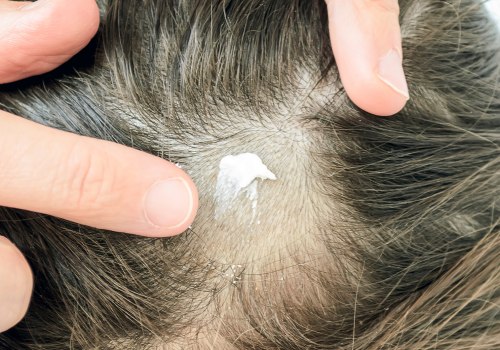
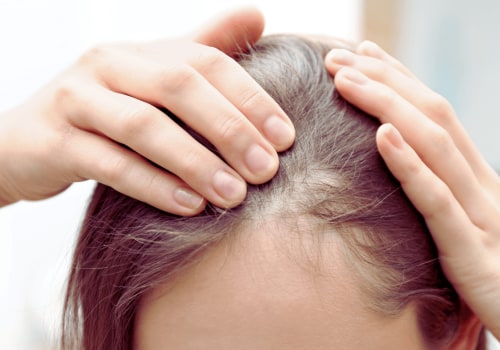
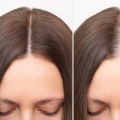
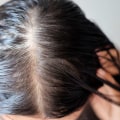
Hair loss is a common concern for both men and women. It can be caused by a variety of factors, including genetics, hormonal changes, stress, and certain medical conditions. While there are many treatments available for hair loss, including medications and hair transplant surgery, some people turn to vitamins and supplements as a natural alternative. Hair loss is a common concern for both men and women. It can be caused by a variety of factors, including genetics, hormonal changes, stress, and certain medical conditions. While there are many treatments available for hair loss, including medications and hair transplant surgery, some people turn to vitamins and supplements as a natural alternative.
The Role of Vitamins and Supplements in Hair Loss
Vitamins and supplements are often marketed as a solution for hair loss. However, it's important to understand that there is no one-size-fits-all approach when it comes to treating hair loss.The effectiveness of vitamins and supplements in promoting hair growth varies from person to person. That being said, certain vitamins and supplements have been shown to play a role in maintaining healthy hair. These include vitamin Dvitamin D, vitamin Evitamin E, iron, biotin, and omega-3 fatty acidsomega-3 fatty acids. Let's take a closer look at each of these nutrients and how they may help with hair loss.
Vitamin D
Vitamin D is essential for healthy bones, but it may also play a role in hair growth. Research has shown that people with alopecia areata, an autoimmune condition that causes hair loss, often have low levels of vitamin D.While more studies are needed to determine the exact relationship between vitamin D and hair loss, it's worth considering adding this nutrient to your daily routine.
Vitamin E
Vitamin E is an antioxidant that helps protect cells from damage. It may also promote hair growth by improving blood circulation to the scalp. A study published in the Journal of Cosmetic Dermatology found that participants who took a vitamin E supplement for eight months experienced a significant increase in hair growth compared to those who took a placebo.Iron
Iron is an essential mineral that helps transport oxygen throughout the body. Iron deficiency, also known as anemia, has been linked to hair loss.This is because iron is necessary for the production of hemoglobin, a protein that carries oxygen to the body's tissues, including the hair follicles. If you suspect you may have an iron deficiency, it's important to consult with your doctor before taking any supplements.
Biotin
Biotin, also known as vitamin B7, is often touted as a miracle supplement for hair growth. While there is limited research on its effectiveness, some studies have shown that biotin may help improve hair thickness and reduce hair shedding. However, it's important to note that biotin deficiency is rare and taking excessive amounts of this vitamin may actually do more harm than good.Omega-3 Fatty Acids
Omega-3 fatty acids are essential fats that our bodies cannot produce on their own.They are found in foods like fish, nuts, and seeds. These fatty acids have anti-inflammatory properties and may help improve scalp health, which in turn can promote hair growth. A study published in the Journal of Cosmetic Dermatology found that participants who took an omega-3 supplement for six months experienced a significant increase in hair density compared to those who took a placebo.
The Importance of a Balanced Diet
While vitamins and supplements may play a role in promoting healthy hair, it's important to remember that they are not a substitute for a balanced diet. Eating a variety of nutrient-rich foods is crucial for maintaining overall health, including the health of your hair. Some foods that are particularly beneficial for hair health include leafy greens, eggs, avocados, berries, and nuts.These foods are rich in vitamins, minerals, and antioxidants that can help nourish your hair from the inside out.
The Bottom Line
While there is no magic pill for hair loss, incorporating certain vitamins and supplements into your daily routine may help promote healthy hair growth. However, it's important to consult with your doctor before starting any new supplements, as they may interact with other medications or have potential side effects. In addition to taking vitamins and supplements, it's important to address any underlying causes of hair loss. This may include managing stress levels, treating any underlying medical conditions, and using gentle hair care products. Remember, everyone's hair loss journey is unique. What works for one person may not work for another.It's important to be patient and consistent with any treatment plan, whether it includes vitamins and supplements or other methods.