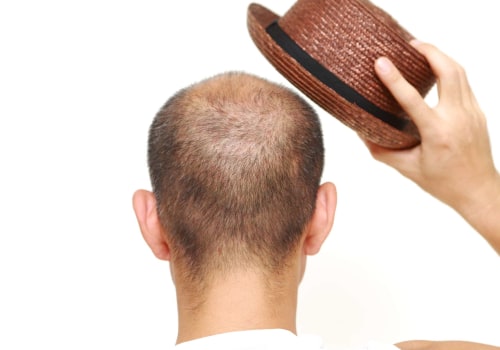
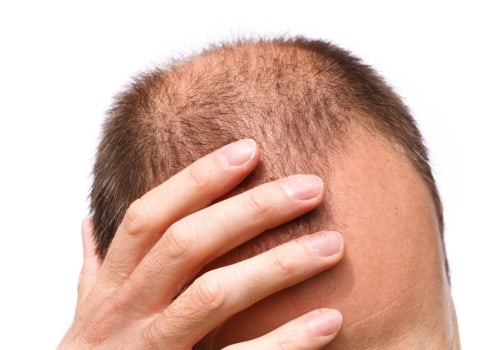
Hair loss is a common concern for many people, especially as they age. While genetics and hormonal changes are often the main culprits, there is another factor that may contribute to hair loss - medications. Hair loss is a common concern for many people, especially as they age. While genetics and hormonal changes are often the main culprits, there is another factor that may contribute to hair loss - medications.
Hair loss
can be a distressing experience, affecting one's self-esteem and confidence. As an expert in the field of dermatology, I have seen many patients who have experienced hair loss as a side effect of certain medications. In this article, I will discuss the link between medications and hair loss, and what you can do to prevent or manage it.The Connection Between Medications and Hair Loss
Medications are designed to treat various health conditions, but they can also have unintended side effects.Hair loss is one of the most common side effects of certain medications. This type of hair loss is known as drug-induced alopecia. There are several types of medications that have been linked to hair loss, including:
- Blood thinners: These medications are used to prevent blood clots and reduce the risk of heart attack or stroke. However, they can also cause hair loss in some individuals.
- Blood pressure medications:Blood pressure medications: Certain blood pressure medications, such as beta-blockers and ACE inhibitors, have been associated with hair loss.
- Antidepressants: Some antidepressants, particularly those in the SSRI class, have been linked to hair loss.
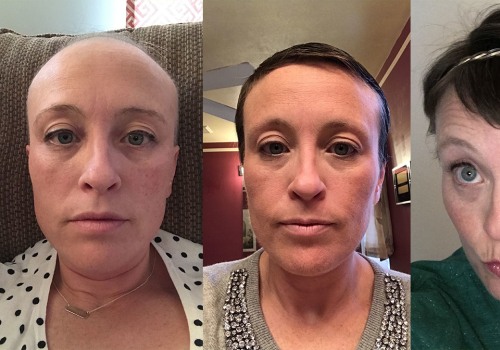
- Chemotherapy drugs:Chemotherapy drugs: Chemotherapy drugs are known to cause hair loss as they target rapidly dividing cells in the body, including hair follicles.
- Hormonal medications: Hormonal medications, such as birth control pills and hormone replacement therapy, can also cause hair loss in some individuals.
How Medications Cause Hair Loss
The exact mechanism of how medications cause hair loss is not fully understood.However, it is believed that certain medications can disrupt the normal cycle of hair growth, leading to excessive shedding or thinning of the hair. For example, chemotherapy drugs target rapidly dividing cells, including hair follicles, which can lead to hair loss. Blood thinners and blood pressure medications may affect the blood flow to the scalp, which can impact hair growth. Hormonal medications can also disrupt the balance of hormones in the body, which can contribute to hair loss.
Preventing and Managing Medication-Induced Hair Loss
If you are taking a medication that is known to cause hair loss, it is important to discuss this with your doctor. They may be able to prescribe an alternative medication or adjust your dosage to minimize the side effects. In some cases, stopping the medication may not be an option, especially if it is essential for treating a serious health condition.In these situations, there are other steps you can take to prevent or manage hair loss:
- Use gentle hair care products: Avoid harsh chemicals and heat styling tools that can further damage your hair.
- Eat a balanced diet: A diet rich in protein, vitamins, and minerals can help promote healthy hair growth.
- Consider supplements: Some supplements, such as biotin and iron, may help improve hair health.
- Try topical treatments: There are topical treatments available that can help stimulate hair growth, such as minoxidil.
- Consider a wig or hairpiece: If your hair loss is significant, you may want to consider wearing a wig or hairpiece to boost your confidence.