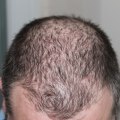
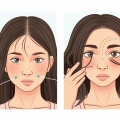
Hair loss is a common problem that affects millions of people worldwide. It can be caused by various factors such as genetics, hormonal changes, and medical conditions. However, one factor that is often overlooked is stress. Stress-related alopecia, also known as telogen effluvium, is a type of hair loss that is triggered by physical or emotional stress. Hair loss is a common problem that affects millions of people worldwide. It can be caused by various factors such as genetics, hormonal changes, and medical conditions. However, one factor that is often overlooked is stress. Stress-related alopecia, also known as telogen effluvium, is a type of hair loss that is triggered by physical or emotional stress.
The Link Between Stress and Hair Loss
Stress is a natural response to challenging situations, and it can have both positive and negative effects on our bodies.When we experience stress, our body releases a hormone called cortisol, which can disrupt the normal functioning of our hair follicles. This disruption can lead to hair loss. Stress-related alopecia is a temporary condition that usually occurs 2-3 months after a stressful event. This can include major life changes such as childbirth, surgery, or the death of a loved one. It can also be triggered by ongoing stressors such as work pressure, financial problems, or relationship issues. When we experience stress, our body releases a hormone called cortisol, which can disrupt the normal functioning of our hair follicles. This disruption can lead to hair loss. Stress-related alopecia is a temporary condition that usually occurs 2-3 months after a stressful event. This can include major life changes such as childbirth, surgery, or the death of a loved one. It can also be triggered by ongoing stressors such as work pressure, financial problems, or relationship issues.
The Symptoms of Stress-Related Alopecia
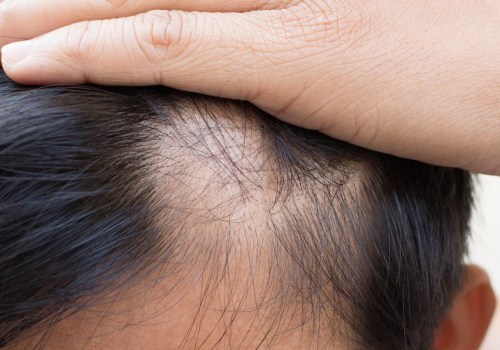
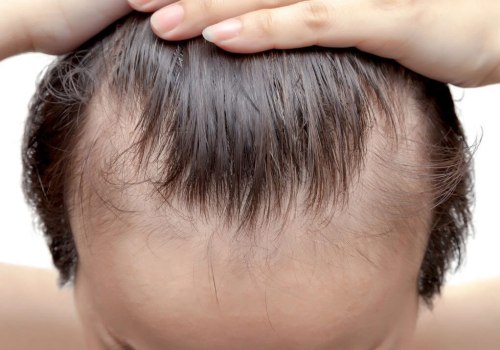
The most common symptom of stress-related alopecia is excessive shedding of hair.This can be seen as clumps of hair falling out while washing or brushing your hair. You may also notice thinning of your hair, especially around the temples and crown area. In some cases, stress-related alopecia can also cause changes in the texture and color of your hair. Your hair may become dry, brittle, and dull. It may also lose its natural shine and appear lifeless.
Can Stress-Related Alopecia Be Reversed?
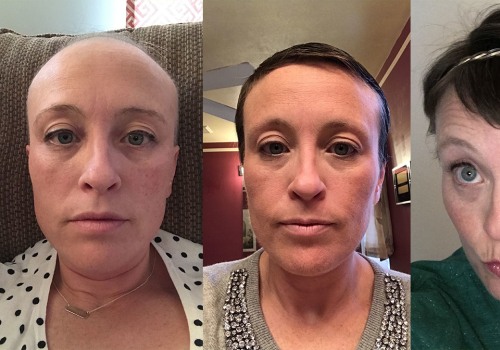
The good news is that stress-related alopecia is reversible in most cases.Once the underlying cause of stress is addressed, the hair follicles can return to their normal growth cycle, and hair will start to grow back. However, it is important to note that the recovery process can take time. It may take several months for your hair to return to its pre-stress state. In some cases, it may even take up to a year for complete regrowth.
How to Manage Stress-Related Alopecia
The key to managing stress-related alopecia is to address the root cause of stress. This can involve making lifestyle changes, seeking therapy or counseling, and practicing relaxation techniques such as meditation and yoga. In addition, there are some hair care tips that can help promote hair growth and prevent further hair loss:The key to managing stress-related alopecia is to address the root cause of stress. This can involve making lifestyle changes, seeking therapy or counseling, and practicing relaxation techniques such as meditation and yoga. In addition, there are some hair care tips that can help promote hair growth and prevent further hair loss:- Use gentle hair care products: Avoid using harsh chemicals and styling products that can damage your hair.
Stick to natural and gentle products that are free from sulfates and parabens.
- Eat a balanced diet: A healthy diet rich in protein, vitamins, and minerals is essential for healthy hair growth. Make sure to include foods like eggs, fish, leafy greens, and nuts in your diet.
- Massage your scalp: Massaging your scalp can improve blood circulation and stimulate hair growth. You can use essential oils like rosemary or peppermint for added benefits.
- Avoid tight hairstyles: Tight hairstyles like ponytails, braids, and buns can put stress on your hair follicles and lead to further hair loss. Opt for looser hairstyles that don't pull on your hair.
When to Seek Professional Help
If you are experiencing excessive hair loss or notice any changes in your hair texture or color, it is important to consult a dermatologist.They can help determine the underlying cause of your hair loss and provide appropriate treatment. In some cases, stress-related alopecia may be a sign of an underlying medical condition such as thyroid problems or anemia. Your doctor may recommend blood tests to rule out any underlying health issues.