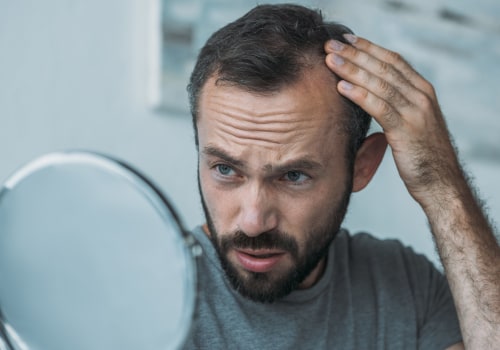
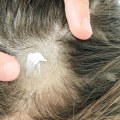
Hair loss is a common concern for many people, especially as they age. It can be a distressing experience, affecting one's self-esteem and confidence. While it is normal to lose some hair every day, excessive hair loss can be a sign of an underlying medical condition.
The Basics of Hair Loss
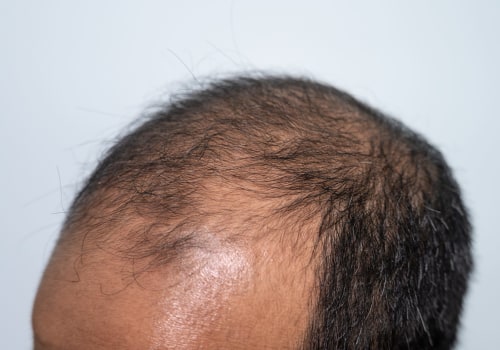
Hair loss, also known as alopecia, is the gradual thinning or complete loss of hair on the scalp or other parts of the body. It can occur in both men and women and can be temporary or permanent.The average person has about 100,000 hairs on their head and loses around 50-100 hairs per day. However, when this number increases significantly, it can lead to noticeable thinning or bald patches. Hair loss can be caused by a variety of factors, including genetics, hormonal changes, medications, and medical conditions. In this article, we will focus on the medical conditions that can cause hair loss.
Medical Conditions That Can Cause Hair Loss
There are several medical conditions that can contribute to hair loss. These conditions can affect people of all ages and genders and can range from mild to severe.Let's take a closer look at some of the most common medical conditions that can cause hair loss.
1.Thyroid Disorders
The thyroid gland is responsible for producing hormones that regulate metabolism and growth. When the thyroid gland is not functioning properly, it can lead to an imbalance in hormone levels, which can cause hair loss. Both an overactive thyroid (hyperthyroidism) and an underactive thyroid (hypothyroidism) can contribute to hair loss. In hyperthyroidism, the body produces too much of the thyroid hormone, which can speed up the body's metabolism and cause hair to fall out. On the other hand, hypothyroidism can slow down the body's metabolism, leading to hair thinning and loss.2.Autoimmune Diseases
Autoimmune diseases occur when the body's immune system mistakenly attacks healthy cells and tissues. Autoimmune diseases occur when the body's immune system mistakenly attacks healthy cells and tissues.This can lead to inflammation and damage to various organs, including the hair follicles. Some autoimmune diseases that can cause hair loss include alopecia areata, lupus, and psoriasis. Alopecia areata is a condition in which the immune system attacks the hair follicles, causing hair to fall out in small patches. Lupus is an autoimmune disease that can cause hair loss on the scalp and other parts of the body. Psoriasis is a skin condition that can also affect the scalp and cause hair loss. This can lead to inflammation and damage to various organs, including the hair follicles. Some autoimmune diseases that can cause hair loss include alopecia areata, lupus, and psoriasis. Alopecia areata is a condition in which the immune system attacks the hair follicles, causing hair to fall out in small patches. Lupus is an autoimmune disease that can cause hair loss on the scalp and other parts of the body. Psoriasis is a skin condition that can also affect the scalp and cause hair loss.
3.Nutritional Deficiencies
Nutritional deficiencies can also contribute to hair loss.Our hair needs essential vitamins and minerals to grow and stay healthy. When we don't get enough of these nutrients, it can lead to hair thinning and shedding. Some of the most common nutritional deficiencies that can cause hair loss include iron, zinc, biotin, and vitamin D.Iron deficiency anemia is a common cause of hair loss in women. Iron is essential for producing hemoglobin, a protein that carries oxygen to the body's tissues, including the hair follicles.
Zinc deficiency can also lead to hair loss as it plays a crucial role in cell growth and repair.
4.Stress
We all experience stress at some point in our lives, but chronic stress can have a significant impact on our health, including our hair. When we are under stress, our body produces a hormone called cortisol, which can disrupt the hair growth cycle and lead to hair loss. Stress can also cause a condition called telogen effluvium, in which a large number of hairs enter the resting phase of the hair growth cycle at the same time, causing them to fall out. This type of hair loss is usually temporary and can be reversed by managing stress levels.5.Medications
Some medications can also cause hair loss as a side effect. These include chemotherapy drugs, blood thinners, antidepressants, and birth control pills.Hair loss caused by medication is usually temporary and will stop once you stop taking the medication.
When to See a Doctor
If you are experiencing excessive hair loss or notice any changes in your hair's texture or thickness, it is essential to consult a doctor. They will be able to determine the underlying cause of your hair loss and recommend appropriate treatment options. It is also crucial to seek medical attention if you experience any other symptoms along with hair loss, such as fatigue, weight gain or loss, or changes in your menstrual cycle. These could be signs of an underlying medical condition that needs to be addressed.The Bottom Line
Hair loss can be a distressing experience, but it is essential to remember that it is often a symptom of an underlying medical condition. By understanding the medical conditions that can cause hair loss, we can take steps to prevent or treat it effectively.If you are experiencing excessive hair loss, don't hesitate to seek medical advice and take care of your overall health.