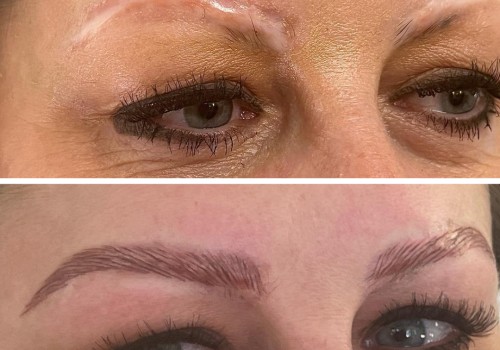
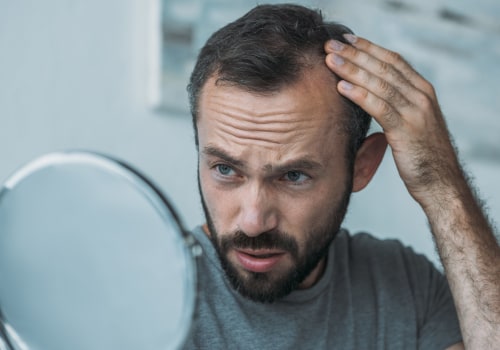
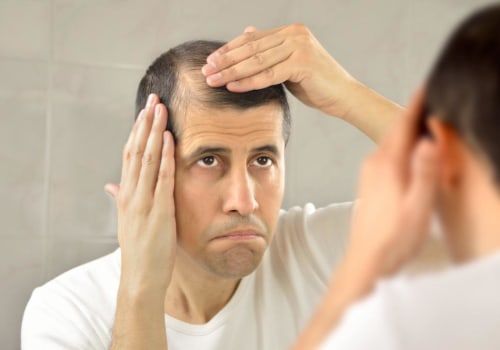
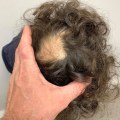
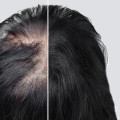
Hair loss is a common concern for both men and women. It can be caused by a variety of factors, including genetics, hormonal changes, medical conditions, and certain medications. Whatever the cause may be, hair loss can have a significant impact on one's self-esteem and confidence.
The Science Behind Hair Loss
To understand whether hair loss can be reversed, it's important to first understand the science behind it. Our hair goes through a natural cycle of growth, rest, and shedding.On average, we lose about 50-100 hairs per day. However, when this cycle is disrupted, it can lead to excessive hair loss. Hair loss can occur in different patterns and at different rates. For men, it typically starts with a receding hairline and thinning at the crown. Women, on the other hand, may experience overall thinning of the hair or widening of the part line. The most common type of hair loss is known as androgenetic alopecia, or male/female pattern baldness.
This type of hair loss is caused by a combination of genetic and hormonal factors. It's estimated that about 80 million people in the United States alone suffer from this type of hair loss.
Can Hair Loss Be Reversed?
The short answer is yes, hair loss can be reversed in some cases. However, it's important to note that there is no one-size-fits-all solution for hair loss. The effectiveness of treatment depends on the underlying cause and individual factors such as age and overall health. For those experiencing hair loss due to genetics or hormonal changes, there are FDA-approved medications that can help slow down or even reverse the process.These include minoxidil and finasteride, which work by promoting hair growth and preventing further hair loss. Another option for reversing hair loss is through hair transplant surgery. This involves taking hair follicles from areas of the scalp that are resistant to hair loss and transplanting them to areas where hair is thinning or balding. While this can be an effective solution, it's important to consult with a reputable and experienced surgeon to ensure the best results. These include minoxidil and finasteride, which work by promoting hair growth and preventing further hair loss. Another option for reversing hair loss is through hair transplant surgery. This involves taking hair follicles from areas of the scalp that are resistant to hair loss and transplanting them to areas where hair is thinning or balding. While this can be an effective solution, it's important to consult with a reputable and experienced surgeon to ensure the best results. surgery. This involves taking hair follicles from areas of the scalp that are resistant to hair loss and transplanting them to areas where hair is thinning or balding. While this can be an effective solution, it's important to consult with a reputable and experienced surgeon to ensure the best results. These include minoxidil and finasteride, which work by promoting hair growth and preventing further hair loss. Another option for reversing hair loss is through hair transplant surgery. This involves taking hair follicles from areas of the scalp that are resistant to hair loss and transplanting them to areas where hair is thinning or balding. While this can be an effective solution, it's important to consult with a reputable and experienced surgeon to ensure the best results.
Preventing Hair Loss
While there are treatments available for reversing hair loss, prevention is always better than cure. Here are some tips to help prevent hair loss:- Eat a balanced diet: A diet rich in protein, vitamins, and minerals is essential for healthy hair growth.
- Avoid harsh styling and treatments: Overuse of heat styling tools, chemical treatments, and tight hairstyles can damage the hair follicles and lead to hair loss.
- Manage stress: Chronic stress can disrupt the natural hair growth cycle and lead to excessive shedding.
- Quit smoking: Smoking has been linked to hair loss, as it can damage the hair follicles and reduce blood flow to the scalp.
The Bottom Line
Hair loss can be a distressing experience, but it's important to remember that there are solutions available.Whether it's through medication, surgery, or lifestyle changes, it's possible to reverse or slow down the process of hair loss. However, it's always best to consult with a healthcare professional before starting any treatment. If you're experiencing excessive hair loss, don't hesitate to seek help. With the right approach, you can regain your confidence and have a healthy head of hair once again.