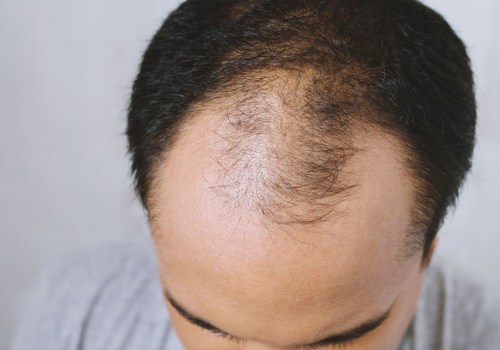
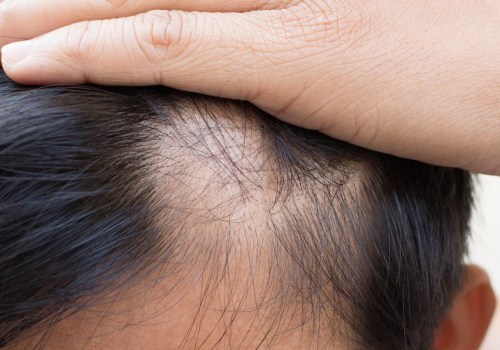
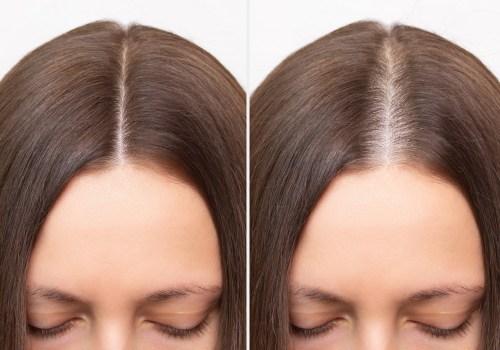
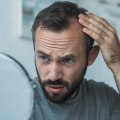
Hair loss is a common problem that affects millions of people worldwide. It can be a distressing experience, causing a loss of self-confidence and self-esteem. While it is often associated with aging, hair loss can occur at any age and can be caused by a variety of factors. As an expert in the field, I have seen firsthand the impact that hair loss can have on individuals and their quality of life. Hair loss is a common problem that affects millions of people worldwide. It can be a distressing experience, causing a loss of self-confidence and self-esteem. While it is often associated with aging, hair loss can occur at any age and can be caused by a variety of factors. As an expert in the field, I have seen firsthand the impact that hair loss can have on individuals and their quality of life.
In this article, I will delve into the various causes of hair loss and provide insights on how to prevent and treat it.
Hair Loss: What is it?
Hair loss, also known as alopecia, is the gradual thinning or complete loss of hair from the scalp or other parts of the body. It is a natural part of the hair growth cycle, with an average person losing around 50-100 hairs per day. However, when this number increases significantly, it can lead to noticeable thinning or baldness. There are two main types of hair loss: scarring and non-scarring. Scarring hair loss occurs when there is damage to the hair follicles, leading to permanent hair loss.Non-scarring hair loss, on the other hand, is temporary and can be reversed with proper treatment.
The Main Causes of Hair Loss
There are numerous factors that can contribute to hair loss. Some are temporary and reversible, while others are permanent. Let's take a closer look at some of the most common causes of hair loss.1.Genetics
The most common cause of hair loss is genetics. This type of hair loss is known as androgenetic alopecia or male/female pattern baldness.It is inherited from either side of the family and can affect both men and women. In men, it typically starts with a receding hairline and thinning at the crown, while in women, it leads to overall thinning of the hair. While there is no cure for genetic hair loss, there are treatments available that can slow down its progression and even promote hair regrowth. These include medications such as minoxidil and finasteride, as well as hair transplant surgery.
2.Hormonal Changes
Hormonal changes can also contribute to hair loss. This is especially true for women, who may experience hair loss during pregnancy, menopause, or when starting or stopping birth control pills.These hormonal changes can disrupt the natural hair growth cycle and lead to temporary hair loss. In most cases, hormonal hair loss will resolve on its own once the hormones have stabilized. However, if the hair loss persists, it is important to consult a doctor for proper diagnosis and treatment.
3.Medical Conditions
Certain medical conditions can also cause hair loss. These include thyroid disorders, alopecia areata, scalp infections, and skin disorders such as psoriasis and eczema. In these cases, treating the underlying condition can help prevent further hair loss. In addition, some medications used to treat medical conditions can also cause hair loss as a side effect.If you are experiencing hair loss while taking medication, it is important to consult your doctor for alternative options.
4.Poor Nutrition
What we eat plays a significant role in the health of our hair. A diet lacking in essential nutrients, such as iron, protein, and vitamins A, C, and Dvitamins A, C, and D, can lead to hair loss. This is because these nutrients are vital for the production of keratin, the protein that makes up our hair. To prevent hair loss due to poor nutrition, it is important to maintain a well-balanced diet that includes a variety of fruits, vegetables, lean proteins, and whole grains. In some cases, supplements may also be recommended to ensure adequate intake of essential nutrients.5.Stress
Stress can have a significant impact on our overall health, including our hair.When we are under stress, our bodies produce a hormone called cortisol, which can disrupt the natural hair growth cycle and lead to hair loss. In addition, stress can also cause us to engage in behaviors that can contribute to hair loss, such as pulling or twisting our hair. This can lead to a condition called traction alopecia, which is characterized by thinning or bald patches in areas where the hair has been pulled too tightly. To prevent stress-related hair loss, it is important to find healthy ways to manage stress, such as exercise, meditation, or therapy.
Treating Hair Loss
The treatment for hair loss depends on the underlying cause. In some cases, simply addressing the root cause can help prevent further hair loss. However, if the hair loss is permanent or cannot be reversed, there are several treatment options available. Medications such as minoxidil and finasteride can help slow down the progression of hair loss and promote hair regrowth.In addition, there are also surgical options, such as hair transplant surgery, that can help restore a fuller head of hair. It is important to note that not all treatments work for everyone, and it may take some trial and error to find the right solution for you. Consulting with a doctor or a hair loss specialist can help determine the best course of action.
Preventing Hair Loss
While some causes of hair loss cannot be prevented, there are steps you can take to maintain healthy hair and reduce your risk of hair loss. These include:- Eating a well-balanced diet rich in essential nutrients
- Managing stress through healthy coping mechanisms
- Avoiding tight hairstyles that can cause traction alopecia
- Using gentle hair care products and avoiding harsh chemicals
- Quitting smoking, as it can contribute to hair loss
In Conclusion
Hair loss is a common problem that can have a significant impact on an individual's self-esteem and quality of life. While it is often associated with aging, it can occur at any age and can be caused by a variety of factors.By understanding the causes of hair loss and taking steps to prevent and treat it, we can maintain healthy, luscious locks for years to come.