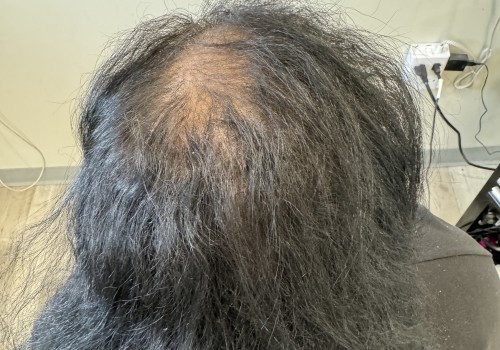
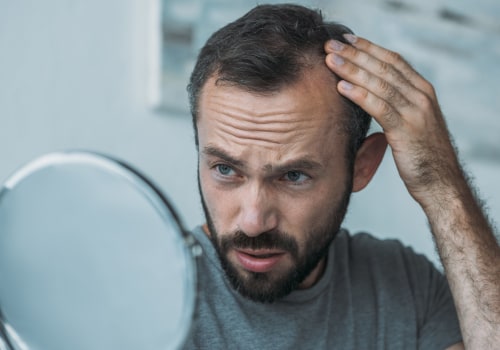
Hair loss is a common concern for many people, especially as they age. It can be a distressing experience, affecting one's self-esteem and confidence. While hair loss is often seen as a cosmetic issue, it can also be a sign of a serious underlying Hair loss is a common concern for many people, especially as they age. It can be a distressing experience, affecting one's self-esteem and confidence. While hair loss is often seen as a cosmetic issue, it can also be a sign of a serious underlying health condition.Hair loss is a common concern for many people, especially as they age. It can be a distressing experience, affecting one's self-esteem and confidence. While hair loss is often seen as a cosmetic issue, it can also be a sign of a serious underlying health condition.
The Basics of Hair Loss
Hair loss, also known as alopecia, is the gradual thinning or loss of hair from the scalp or other parts of the body. It can occur in both men and women and can range from mild to severe.Hair loss can be temporary or permanent, depending on the cause. On average, we lose about 50-100 hairs per day. This is considered normal as new hair grows to replace the lost ones. However, when the rate of hair loss exceeds the rate of hair growth, it can lead to noticeable thinning or baldness. There are various types of hair loss, including:
- Androgenetic alopecia: This is the most common type of hair loss, affecting both men and women. It is caused by a combination of genetic and hormonal factors.
- Alopecia areata: This is an autoimmune disorder where the body's immune system attacks the hair follicles, leading to hair loss in patches.
- Telogen effluvium: This type of hair loss occurs when there is a disruption in the hair growth cycle, causing more hairs to enter the resting phase and eventually fall out.
- Traction alopecia: This is caused by excessive pulling or tension on the hair, often due to tight hairstyles like braids or ponytails.
Is Hair Loss a Sign of a Serious Health Condition?
Hair loss can be a symptom of an underlying health condition.In some cases, it may be the first sign of a more serious problem. Here are some health conditions that can cause hair loss:
- Thyroid disorders:Thyroid disorders: An overactive or underactive thyroid gland can disrupt the normal hair growth cycle, leading to hair loss.
- Anemia: Iron deficiency anemia is a common cause of hair loss, as iron is essential for healthy hair growth.
- Lupus: This is an autoimmune disease that can cause hair loss, along with other symptoms like joint pain and fatigue.
- Diabetes: Uncontrolled diabetes can damage blood vessels and affect the circulation to the scalp, leading to hair loss.
- Cancer: Chemotherapy and radiation treatments for cancer can cause hair loss, but it is usually temporary.
When Should You Be Concerned?
It is normal to lose some hair every day, but if you notice excessive shedding or thinning of your hair, it may be a cause for concern. Here are some signs that your hair loss may be a sign of a serious health condition:- Sudden or rapid hair loss: If you notice a sudden increase in the amount of hair you are losing, it could be a sign of an underlying health issue.
- Hair loss in patches: If you are losing hair in specific areas of your scalp, it could be a sign of alopecia areata or another autoimmune disorder.
- Scalp pain or itching: If you experience pain or itching on your scalp along with hair loss, it could be a sign of an infection or skin condition.
- Other symptoms: If you are experiencing other symptoms like fatigue, weight loss, or changes in your menstrual cycle, along with hair loss, it could be a sign of an underlying health condition.
What Can You Do About Hair Loss?
If you are concerned about your hair loss, the first step is to consult a doctor.They will perform a physical exam and may order blood tests or other diagnostic tests to determine the underlying cause. Depending on the cause, treatment options may include:
- Medications: For certain health conditions like thyroid disorders or anemia, medications can help restore hair growth.
- Lifestyle changes: Making changes to your diet and reducing stress can help improve the health of your hair.
- Hair transplant: In cases of permanent hair loss, a hair transplant may be an option to restore hair growth.
The Bottom Line
Hair loss can be a distressing experience, but it is not always a cause for concern. In most cases, it is temporary and can be treated with the right approach.However, if you are experiencing excessive or sudden hair loss, it is essential to consult a doctor to determine the underlying cause. Remember, your hair can be a reflection of your overall health, so taking care of your body is crucial for maintaining healthy hair.