Hair loss is a common problem that affects millions of people worldwide. It can be caused by various factors such as genetics, stress, and certain medical conditions. However, one factor that is often overlooked is smoking. Yes, you read that right – smoking can have a significant impact on hair loss. Hair loss is a common problem that affects millions of people worldwide. It can be caused by various factors such as genetics, stress, and certain medical conditions. However, one factor that is often overlooked is smoking. Yes, you read that right – smoking can have a significant impact on hair loss.
The Connection Between Smoking and Hair Loss
Smoking is known to have numerous negative effects on our health, including an increased risk of heart disease, stroke, and cancer.But what many people don't realize is that it can also affect our hair. The chemicals in cigarettes can damage the hair follicles and disrupt the natural hair growth cycle, leading to hair loss. When we smoke, the toxins in cigarettes enter our bloodstream and are carried to the hair follicles. These toxins can damage the DNA of the hair follicles, causing them to shrink and eventually die. This process is known as miniaturization, and it can lead to thinning hair and eventual baldness. Moreover, smoking also reduces blood flow to the scalp, depriving the hair follicles of essential nutrients and oxygen.
This can weaken the hair and make it more prone to breakage and shedding.
The Role of Nicotine and Other Chemicals
Nicotine is the main addictive substance in cigarettes, and it is also responsible for many of the negative effects on our health. When it comes to hair loss, nicotine constricts blood vessels, reducing blood flow to the scalp. This not only affects the health of the hair follicles but also slows down hair growth. In addition to nicotine, cigarettes contain thousands of other chemicals, including tar, carbon monoxide, and formaldehyde. These chemicals can damage the hair follicles and disrupt the hair growth cycle, leading to hair loss.The Impact of Secondhand Smoke
Even if you are not a smoker, you may still be at risk of hair loss if you are regularly exposed to secondhand smoke. Even if you are not a smoker, you may still be at risk of hair loss if you are regularly exposed to secondhand smoke.Studies have shown that secondhand smoke can have similar effects on the hair as smoking directly. This is because the chemicals in cigarettes can still enter your bloodstream and affect your hair follicles. Furthermore, secondhand smoke can also cause inflammation in the scalp, which can damage the hair follicles and lead to hair loss. So, if you live with a smoker or spend a lot of time in smoky environments, you may want to consider taking steps to protect your hair.
The Link Between Smoking and Male Pattern Baldness
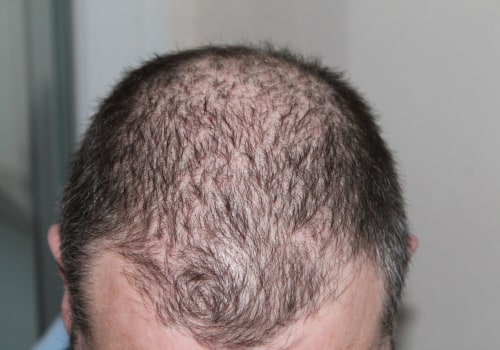
Male pattern baldness, also known as androgenetic alopecia, is the most common type of hair loss in men. It is characterized by a receding hairline and thinning hair on the crown of the head. Male pattern baldness, also known as androgenetic alopecia, is the most common type of hair loss in men. It is characterized by a receding hairline and thinning hair on the crown of the head.While genetics play a significant role in male pattern baldness, smoking can also contribute to its development. Research has shown that men who smoke are more likely to experience male pattern baldness than non-smokers. This is because smoking can increase the production of dihydrotestosterone (DHT), a hormone that is responsible for shrinking hair follicles and causing male pattern baldness.
Can Quitting Smoking Reverse Hair Loss?
If you are a smoker experiencing hair loss, you may be wondering if quitting smoking can help reverse the damage. The good news is that quitting smoking can have a positive impact on your overall health, including your hair. When you quit smoking, your body starts to repair itself, and this includes your hair follicles. The blood flow to your scalp improves, and your hair follicles receive the necessary nutrients and oxygen to grow healthy hair.However, it is important to note that quitting smoking will not reverse hair loss caused by genetics or other factors.
Other Ways Smoking Can Affect Your Hair
Aside from causing hair loss, smoking can also affect the appearance and health of your hair in other ways. Here are some of the ways smoking can impact your hair:- Dry and brittle hair: The chemicals in cigarettes can dry out your hair, making it more prone to breakage and split ends.
- Premature graying: Studies have shown that smokers are more likely to develop gray hair at a younger age than non-smokers.
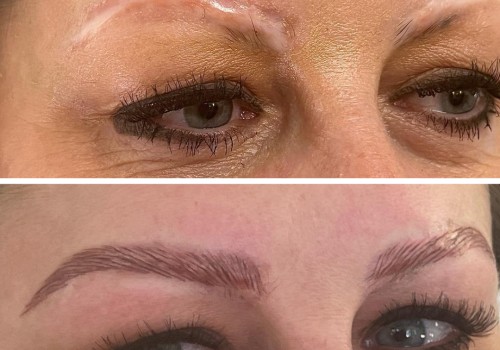
- Thinning eyebrows: Smoking can also affect the hair on your eyebrows, causing them to become thin and sparse.
In Conclusion
Smoking is a harmful habit that can have a significant impact on our health, including our hair. The chemicals in cigarettes can damage our hair follicles, disrupt the natural hair growth cycle, and increase the risk of male pattern baldness. Quitting smoking can help improve the health of our hair, but it will not reverse hair loss caused by genetics or other factors.So, if you want to keep your locks healthy and luscious, it's best to kick the smoking habit for good.