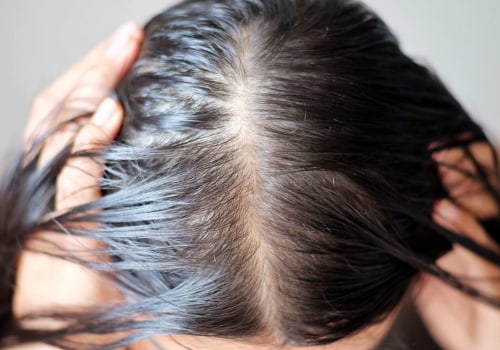
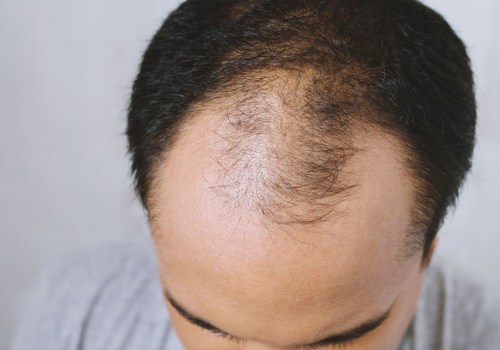
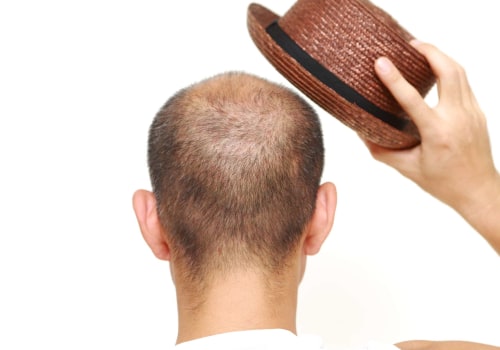
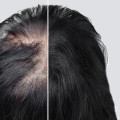
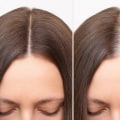
Hair loss is a common problem that affects millions of people worldwide. It can be caused by a variety of factors, including genetics, hormonal imbalances, stress, and certain medical conditions. While there are many treatments available for hair loss, some people prefer to take a more natural approach and turn to supplements for help.
The Science Behind Hair Loss
In order to understand how natural supplements can help with hair loss, it's important to first understand the science behind it. Hair loss, also known as alopecia, occurs when the hair follicles stop producing new hair. In order to understand how natural supplements can help with hair loss, it's important to first understand the science behind it. Hair loss, also known as alopecia, occurs when the hair follicles stop producing new hair.This can happen for a variety of reasons, but the most common cause is a hormone called dihydrotestosterone (DHT).DHT is a byproduct of testosterone and is responsible for shrinking hair follicles, making it difficult for new hair to grow. This hormone is present in both men and women, but it affects men more significantly, which is why male pattern baldness is more common. Other factors that can contribute to hair loss include stress, poor nutrition, and certain medical conditions such as thyroid disorders and autoimmune diseases. These factors can disrupt the normal hair growth cycle and lead to excessive shedding or thinning of the hair.
The Role of Supplements in Hair Loss
Supplements are often marketed as a natural solution for hair loss. They claim to provide essential nutrients that can promote hair growth and prevent further hair loss.But do they really work?The truth is, there is limited scientific evidence to support the effectiveness of supplements in treating hair loss. While some studies have shown promising results, many experts believe that these supplements may only have a placebo effect. However, this doesn't mean that all supplements are useless. Some may contain ingredients that can help improve the overall health of your hair and scalp, which can indirectly promote hair growth.
The Best Supplements for Hair Loss
When it comes to choosing a supplement for hair loss, it's important to look for ones that contain specific ingredients that have been shown to have a positive effect on hair growth. These include:- Saw palmetto: This herb is known for its ability to block the production of DHT, making it a popular ingredient in hair loss supplements.
- Biotin: Also known as vitamin B7, biotin is essential for healthy hair growth.
It helps strengthen the hair follicles and promotes the production of keratin, a protein that makes up the structure of hair.
- Vitamin D: Studies have shown that low levels of vitamin D may contribute to hair loss. Taking a supplement can help ensure you're getting enough of this important nutrient.
- Zinc: Zinc is essential for maintaining healthy hair and scalp. It helps regulate oil production and can prevent dandruff, which can contribute to hair loss.
The Risks of Taking Supplements
While supplements may seem like a safe and natural solution for hair loss, they do come with some risks.Some supplements may interact with medications or cause side effects such as upset stomach or allergic reactions. In addition, the FDA does not regulate supplements in the same way they do prescription drugs, so there is no guarantee of their safety or effectiveness. It's important to do your research and consult with a healthcare professional before starting any new supplement regimen.
Other Natural Remedies for Hair Loss
In addition to supplements, there are other natural remedies that may help with hair loss. These include:- Essential oils:Essential oils: Certain essential oils, such as rosemary and peppermint, have been shown to promote hair growth when applied topically.
- Scalp massage: Massaging the scalp can help improve blood flow and stimulate hair growth.
- Aloe vera: Aloe vera has anti-inflammatory properties that can help soothe an irritated scalp and promote hair growth.
The Bottom Line
While there is no magic pill or supplement that can cure hair loss, some natural supplements may help improve the overall health of your hair and scalp. However, it's important to approach these supplements with caution and consult with a healthcare professional before adding them to your routine. In addition, it's important to address any underlying medical conditions or lifestyle factors that may be contributing to your hair loss.By taking a holistic approach, you can improve the health of your hair and potentially slow down or even reverse hair loss.