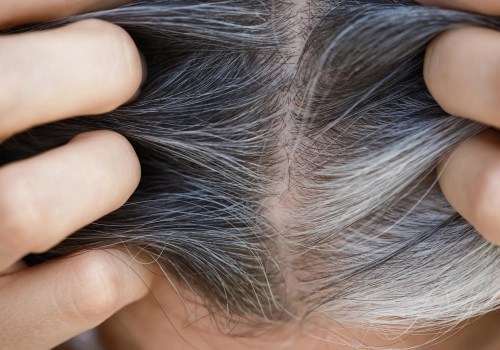
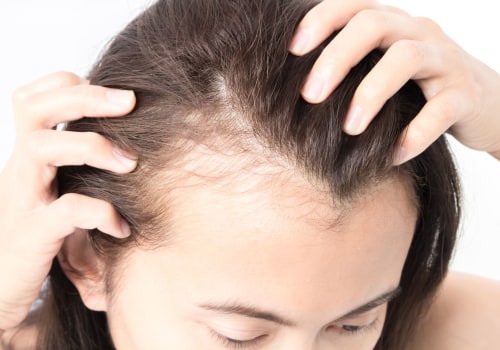
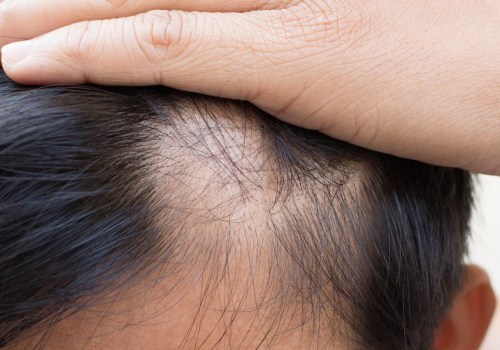
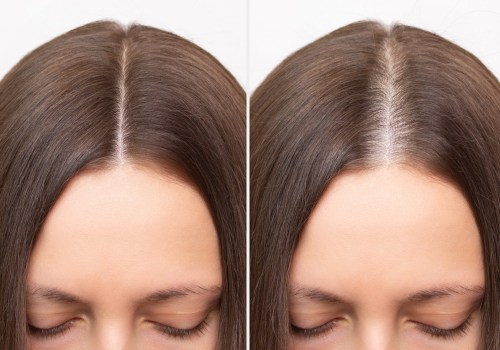
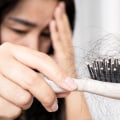
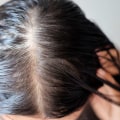
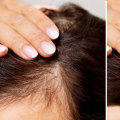
Hair loss is a common concern for both men and women, with studies showing that up to 50% of men and 40% of women will experience some degree of hair loss in their lifetime. While genetics and age play a significant role in hair loss, there is another factor that often goes overlooked - diet.
The Role of Nutrition in Hair Growth
Our hair is made up of a protein called keratin, which is produced by the hair follicles in our scalp. These follicles require a steady supply of nutrients to function properly and produce healthy hair. When our diet lacks essential vitamins, minerals, and proteins, it can lead to weakened hair follicles and ultimately, hair loss. Our hair is made up of a protein called keratin, which is produced by the hair follicles in our scalp. These follicles require a steady supply of nutrients to function properly and produce healthy hair. When our diet lacks essential vitamins, minerals, and proteins, it can lead to weakened hair follicles and ultimately, hair loss.Hair loss
can be caused by a variety of factors, including hormonal imbalances, stress, and certain medical conditions.However, poor nutrition is often an underlying cause that exacerbates these issues. Let's take a closer look at the connection between diet and hair loss.
The Impact of Protein Deficiency
Protein is essential for healthy hair growth as it provides the building blocks for keratin production. When we don't consume enough protein in our diet, our body prioritizes its use for other vital functions, leaving our hair follicles lacking in this crucial nutrient. A study published in the Journal of Investigative Dermatology found that individuals with hair loss had significantly lower levels of protein in their diets compared to those with healthy hair. This highlights the importance of consuming adequate amounts of protein-rich foods such as lean meats, fish, eggs, and legumes.The Role of Iron and Zinc
Iron and zinc are two essential minerals for hair growth.Iron helps carry oxygen to the hair follicles, promoting healthy cell growth, while zinc plays a role in regulating hormone levels and maintaining a healthy scalp. Research has shown that individuals with hair loss often have lower levels of iron and zinc in their bodies. This can be due to poor absorption of these minerals or a lack of consumption in the diet. Foods rich in iron include red meat, leafy greens, and legumes, while zinc can be found in oysters, pumpkin seeds, and fortified cereals.
The Importance of Vitamin D
Vitamin D is known as the "sunshine vitamin" as our body produces it when our skin is exposed to sunlight. However, many people do not get enough sun exposure or consume enough vitamin D-rich foods, leading to deficiencies. A study published in the International Journal of Trichology found that individuals with Vitamin D is known as the "sunshine vitamin" as our body produces it when our skin is exposed to sunlight. However, many people do not get enough sun exposure or consume enough vitamin D-rich foods, leading to deficiencies. A study published in the International Journal of Trichology found that individuals with hair loss had significantly lower levels of vitamin D compared to those with healthy hair.Vitamin D plays a crucial role in hair follicle cycling and can help promote hair growth. Foods rich in vitamin D include fatty fish, egg yolks, and fortified dairy products.
The Impact of Crash Diets
In today's society, there is a constant pressure to achieve a certain body image, leading many people to turn to crash diets or extreme weight loss methods. While these diets may result in quick weight loss, they can also have a detrimental effect on our hair. Crash diets often restrict certain food groups or severely limit calorie intake, leading to nutrient deficiencies. This can cause hair follicles to enter a resting phase, resulting in increased shedding and In today's society, there is a constant pressure to achieve a certain body image, leading many people to turn to crash diets or extreme weight loss methods. While these diets may result in quick weight loss, they can also have a detrimental effect on our hair. Crash diets often restrict certain food groups or severely limit calorie intake, leading to nutrient deficiencies. This can cause hair follicles to enter a resting phase, resulting in increased shedding and hair loss.Additionally, rapid weight loss can also cause hormonal imbalances that can contribute to hair loss.
The Role of Inflammation
Inflammation is the body's natural response to injury or infection. However, chronic inflammation can have a negative impact on our overall health, including our hair. Research has shown that individuals with hair loss often have higher levels of inflammation in their bodies. This can be due to a diet high in processed foods, sugar, and unhealthy fats. These foods can trigger an inflammatory response in the body, leading to damage to hair follicles and ultimately, hair loss.The Importance of a Balanced Diet
While it's clear that poor nutrition can contribute to hair loss, it's essential to note that no single food or nutrient can prevent or reverse it.Instead, a balanced and varied diet is crucial for maintaining healthy hair. Incorporating a variety of whole foods such as fruits, vegetables, lean proteins, and healthy fats can provide the necessary nutrients for healthy hair growth. Additionally, reducing intake of processed foods and limiting alcohol consumption can also help promote a healthy scalp and hair.
Seeking Professional Help
If you are experiencing hair loss, it's essential to consult with a healthcare professional to determine the underlying cause. They may recommend supplements or dietary changes to address any nutrient deficiencies and promote healthy hair growth. In conclusion, while genetics and age play a significant role in hair loss, our diet also plays a crucial role. By ensuring we consume a balanced and varied diet, we can provide our hair follicles with the necessary nutrients for healthy growth.Remember, what we put into our bodies reflects on the outside, including our hair.