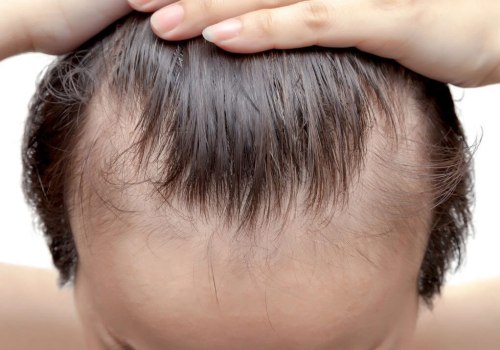
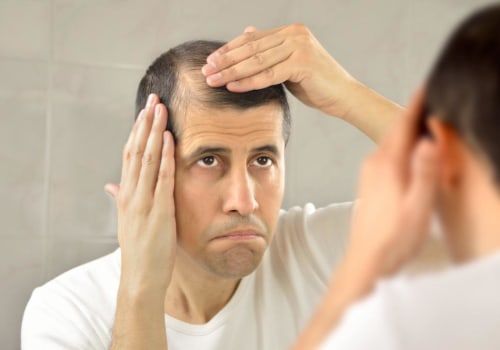
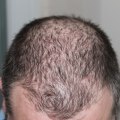
Hair loss is a common concern for many people, especially as they age. It can be a distressing experience, affecting one's self-esteem and confidence. But have you ever wondered what the average age for hair loss to occur is?Hair loss is a common concern for many people, especially as they age. It can be a distressing experience, affecting one's self-esteem and confidence. But have you ever wondered what the average age for hair loss to occur is?
The Basics of Hair Loss
Before we dive into the average age for hair loss, let's first understand what hair loss is. Hair loss, also known as alopecia, is a condition where hair falls out from the scalp or other parts of the body.It can be temporary or permanent and can affect both men and women. Hair loss can occur due to various reasons, including genetics, hormonal changes, medical conditions, and certain medications. It can also be a result of stress, poor nutrition, and excessive styling or treatments.
The Average Age for Hair Loss
According to the American Academy of Dermatology Association, by the age of 50, about 85% of men will have experienced significant hair thinning. For women, about 40% will have noticeable hair loss by the time they reach 40 years old. However, it's essential to note that hair loss can occur at any age. Some people may start losing their hair in their teenage years, while others may not experience it until their 60s or 70s.The average age for hair loss varies from person to person and depends on several factors.
Genetics
One of the most significant factors that determine the average age for hair loss is genetics. Androgenetic alopecia, also known as male or female pattern baldness, is the most common type of hair loss and is hereditary. If your parents or grandparents experienced hair loss, there's a high chance that you will too. For men, the average age for hair loss to occur is in their 30s or 40s. However, some may start losing their hair as early as their 20s.Women, on the other hand, may experience hair loss in their 40s or 50s, but it can also happen earlier.
Hormonal Changes
Hormonal changes can also play a significant role in hair loss. Androgens, a group of hormones that includes testosterone, can cause hair follicles to shrink and eventually stop producing new hairs. This process is known as miniaturization and is the main cause of male and female pattern baldness. In men, the hormone dihydrotestosterone (DHT) is responsible for hair loss. As men age, their testosterone levels decrease, but their DHT levels remain the same, leading to hair thinning and eventual baldness.For women, hormonal changes during pregnancy and menopause can also trigger hair loss.
Medical Conditions and Medications
Certain medical conditions and medications can also contribute to hair loss. For example, autoimmune diseases like alopecia areata can cause sudden hair loss in both men and women. Thyroid disorders, scalp infections, and skin conditions like psoriasis can also lead to hair loss. Some medications used to treat cancer, depression, Certain medical conditions and medications can also contribute to hair loss. For example, autoimmune diseases like alopecia areata can cause sudden hair loss in both men and women. Thyroid disorders, scalp infections, and skin conditions like psoriasis can also lead to hair loss. Some medications used to treat cancer, depression, heart problems, and arthritis can also cause hair loss as a side effect. If you're experiencing hair loss and are taking any medications, it's essential to consult with your doctor to determine if they could be the cause. Certain medical conditions and medications can also contribute to hair loss. For example, autoimmune diseases like alopecia areata can cause sudden hair loss in both men and women. Thyroid disorders, scalp infections, and skin conditions like psoriasis can also lead to hair loss. Some medications used to treat cancer, depression, heart problems, and arthritis can also cause hair loss as a side effect. If you're experiencing hair loss and are taking any medications, it's essential to consult with your doctor to determine if they could be the cause.Preventing Hair Loss
While there's no guaranteed way to prevent hair loss, there are some steps you can take to minimize the risk.Maintaining a healthy lifestyle, including a balanced diet and regular exercise, can help keep your hair healthy. Avoiding harsh styling and treatments, such as tight hairstyles and chemical treatments, can also prevent hair damage and breakage. If you have a family history of hair loss, you may want to consider using over-the-counter or prescription medications to slow down the process. These medications work by blocking the production of DHT and stimulating hair growth.
Seeking Professional Help
If you're experiencing hair loss, it's essential to seek professional help from a dermatologist or a hair specialist. They can determine the cause of your hair loss and recommend the best treatment options for you. There are also various non-surgical treatments available, such as laser therapy and platelet-rich plasma (PRP) therapy, which can help stimulate hair growth.In severe cases, hair transplant surgery may be an option.
The Bottom Line
Hair loss is a natural part of the aging process for many people. While the average age for hair loss to occur is in the 30s or 40s for men and 40s or 50s for women, it can happen at any age. Genetics, hormonal changes, medical conditions, and medications all play a role in determining when someone will experience hair loss. If you're concerned about your hair loss, it's essential to seek professional help and explore your treatment options. Remember that everyone's experience with hair loss is different, and there's no one-size-fits-all solution.With proper care and treatment, you can manage your hair loss and maintain healthy hair for years to come.