Hair loss is a common concern for both men and women, with studies showing that nearly 50% of men and 40% of women will experience some form of hair loss by the age of 50. With such a prevalent issue, it's no surprise that there are many myths and misconceptions surrounding hair loss. As an expert in the field, I have encountered numerous clients who have fallen victim to these myths, causing them unnecessary stress and confusion. In this article, I will debunk some of the most common myths about hair loss and provide you with accurate information to help you better understand this condition. Hair loss is a common concern for both men and women, with studies showing that nearly 50% of men and 40% of women will experience some form of hair loss by the age of 50. With such a prevalent issue, it's no surprise that there are many myths and misconceptions surrounding hair loss. As an expert in the field, I have encountered numerous clients who have fallen victim to these myths, causing them unnecessary stress and confusion. In this article, I will debunk some of the most common myths about hair loss and provide you with accurate information to help you better understand this condition.
The Myth: Wearing hats can cause hair loss
One of the most persistent myths about hair loss is that wearing hats can cause it.This belief stems from the idea that hats can restrict blood flow to the scalp, leading to hair loss. However, there is no scientific evidence to support this claim. In fact, wearing a hat can actually protect your hair from sun damage and prevent it from becoming dry and brittle. The only way wearing a hat can contribute to hair loss is if it is too tight and causes traction alopecia. This condition occurs when there is constant tension on the hair follicles, leading to them becoming damaged and eventually falling out.
However, this is not a common occurrence and can easily be avoided by wearing hats that fit comfortably.
The Myth: Hair loss is caused by poor circulation
Another common myth about hair loss is that it is caused by poor circulation. The theory behind this myth is that if blood flow to the scalp is restricted, then the hair follicles will not receive enough nutrients and oxygen, leading to hair loss. While it is true that good circulation is important for overall health, there is no evidence to suggest that it directly affects hair growth. Hair loss is primarily caused by genetics and hormonal factors. In men, the hormone dihydrotestosterone (DHT) is responsible for shrinking hair follicles, leading to thinner and shorter hair.In women, hormonal imbalances, such as those experienced during pregnancy or menopause, can also contribute to hair loss. Therefore, improving circulation will not prevent or reverse hair loss.
The Myth: Only men experience hair loss
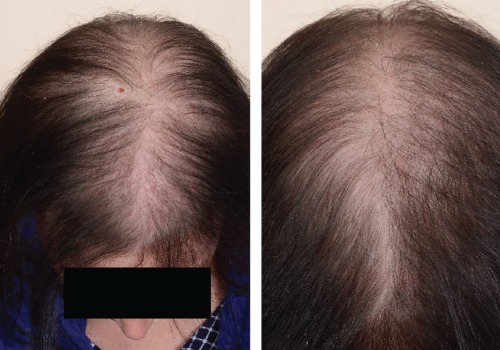
While it is true that male pattern baldness is more common than female pattern baldness, women can also experience hair loss. In fact, studies have shown that nearly 40% of women will experience some form of hair loss by the age of 60. However, due to societal expectations and stigma surrounding female hair loss, women are less likely to seek treatment or openly discuss their concerns. Female hair loss can be caused by a variety of factors, including genetics, hormonal imbalances, and medical conditions such as polycystic ovary syndrome (PCOS).It is important for women to understand that they are not alone in their struggle with hair loss and that there are effective treatments available.
The Myth: Frequent shampooing causes hair loss
Many people believe that washing their hair too often can cause it to fall out. This myth likely stems from the fact that we lose a significant amount of hair when we wash it. However, this is completely normal and does not indicate any underlying issue. In fact, washing your hair regularly can actually promote healthy hair growth. It helps to remove excess oil and buildup from the scalp, allowing for better absorption of nutrients and oxygen.The key is to use a gentle shampoo and avoid harsh chemicals that can damage the hair follicles.
The Myth: Hair loss is a sign of aging
While it is true that hair loss is more common as we age, it is not solely a sign of aging. As mentioned earlier, genetics and hormonal factors play a significant role in hair loss. Therefore, it is possible for someone to experience hair loss at a young age, and for others to maintain a full head of hair well into their golden years. It is also important to note that hair loss can be a symptom of an underlying medical condition, such as thyroid disorders or autoimmune diseases. If you are experiencing sudden or excessive hair loss, it is important to consult with a healthcare professional to rule out any potential underlying issues.The Myth: Hair loss can be cured with over-the-counter products
With the abundance of hair loss products on the market, it's easy to fall into the trap of thinking that a simple shampoo or supplement can cure your hair loss.However, the truth is that most over-the-counter products have not been scientifically proven to effectively treat hair loss. While some products may claim to promote hair growth, they often do not address the root cause of hair loss. It is important to consult with a healthcare professional before trying any new products and to understand that there is no one-size-fits-all solution for hair loss. However, the truth is that most over-the-counter products have not been scientifically proven to effectively treat hair loss. While some products may claim to promote hair growth, they often do not address the root cause of hair loss. It is important to consult with a healthcare professional before trying any new products and to understand that there is no one-size-fits-all solution for hair loss.
The Myth: Hair loss is permanent
Perhaps one of the most damaging myths about hair loss is that it is permanent and cannot be treated. While some forms of hair loss, such as male pattern baldness, may be irreversible, there are many effective treatments available for other types of hair loss. From medications and supplements to laser therapy and hair transplant surgery, there are numerous options for those looking to address their hair loss. It is important to consult with a healthcare professional to determine the best course of treatment for your specific type of hair loss.The Truth About Hair Loss
While there are many myths and misconceptions surrounding hair loss, the truth is that it is a complex condition with various causes and treatments.It is important to educate yourself and seek professional advice if you are experiencing hair loss. Remember, you are not alone in this journey, and there are effective solutions available to help you regain your confidence and love for your hair.