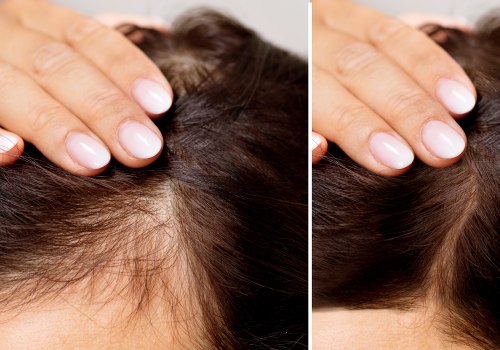
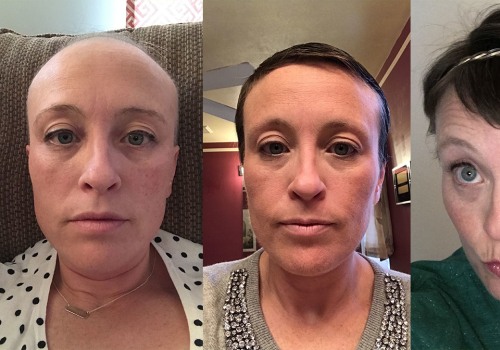
Hair loss is a common concern for many people, especially as they age. It can be a source of insecurity and frustration, leading to a search for answers and solutions. One of the most frequently asked questions about hair loss is whether it is hereditary or not.
The Basics of Hair Loss
Before we dive into the question of hereditary hair loss, it's important to understand the basics of hair loss. Hair loss, also known as alopecia, is a condition that affects both men and women.It can range from mild thinning to complete baldness and can occur on any part of the body. There are many different types of hair loss, each with its own causes and treatments. Some common types include:
- Androgenetic alopecia: This is the most common type of hair loss and is often referred to as male or female pattern baldness. It is caused by a combination of genetic and hormonal factors.
- Alopecia areata: This type of hair loss occurs when the immune system attacks the hair follicles, causing them to fall out. This type of hair loss occurs when the immune system attacks the hair follicles, causing them to fall out. attacks the hair follicles, causing them to fall out. This type of hair loss occurs when the immune system attacks the hair follicles, causing them to fall out.
- Telogen effluvium: This type of hair loss is usually temporary and occurs when there is a disruption in the hair growth cycle.
The Role of Genetics in Hair Loss
The short answer is yes, genetics can play a significant role in hair loss.In fact, research has shown that up to 80% of cases of hair loss are hereditary. This means that if your parents or grandparents experienced hair loss, you are more likely to experience it as well. But it's not just one gene that determines whether or not you will experience hair loss. It's a combination of multiple genes, and the inheritance pattern can vary. For example, male pattern baldness is inherited in a dominant pattern, which means that if one of your parents has it, you have a 50% chance of developing it as well. On the other hand, female pattern baldness is inherited in a recessive pattern, which means that both parents must carry the gene for their child to develop it.
This is why female pattern baldness is less common than male pattern baldness.
Other Factors That Contribute to Hair Loss
While genetics play a significant role in hair loss, there are other factors that can contribute to it as well. These include:- Hormonal changes: Changes in hormone levels, such as during pregnancy or menopause, can cause temporary hair loss.
- Medical conditions: Certain medical conditions, such as thyroid disorders and autoimmune diseases, can cause hair loss. Certain medical conditions, such as thyroid disorders and autoimmune diseases, can cause hair loss.
- Medications: Some medications, such as chemotherapy drugs, can cause hair loss as a side effect.
- Nutritional deficiencies: A lack of certain nutrients, such as iron and protein, can lead to hair loss.
Managing Hereditary Hair Loss
Unfortunately, there is no cure for hereditary hair loss. However, there are treatments available that can help slow down the progression of hair loss and even promote new hair growth.These include:
- Medications: There are two FDA-approved medications for treating hereditary hair loss - minoxidil and finasteride. Minoxidil is a topical solution that is applied to the scalp, while finasteride is a pill taken orally.
- Hair transplant surgery: This involves taking hair follicles from one part of the scalp and transplanting them to areas where hair is thinning or balding.
- Laser therapy: Low-level laser therapy has been shown to stimulate hair growth in some people with hereditary hair loss.
The Bottom Line
In conclusion, while there are other factors that can contribute to hair loss, genetics do play a significant role in determining whether or not you will experience it. If you have a family history of hair loss, it's important to be proactive and take steps to manage it before it becomes more severe. Remember, hair loss is a common condition that affects millions of people worldwide. It's nothing to be ashamed of, and there are treatments available that can help you feel more confident and comfortable in your own skin.References:
1.American Academy of Dermatology Association.(n.d.). Hair Loss: Who Gets and Causes. Retrieved from https://www.aad.org/public/diseases/hair-loss/causes/who-gets-and-causes2. American Academy of Dermatology Association. Hair Loss: Diagnosis and Treatment.
Retrieved from https://www.aad.org/public/diseases/hair-loss/treatment/diagnosis-treatment3. American Academy of Dermatology Association. Hair Loss: Overview. Retrieved from https://www.aad.org/public/diseases/hair-loss/insider/overview4. Mayo Clinic. (2020, August 22).
Hair Loss. Retrieved from https://www.mayoclinic.org/diseases-conditions/hair-loss/symptoms-causes/syc-20372926.