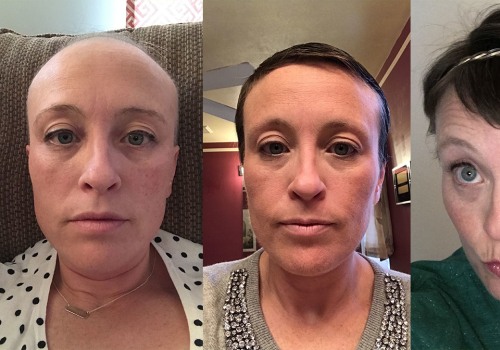
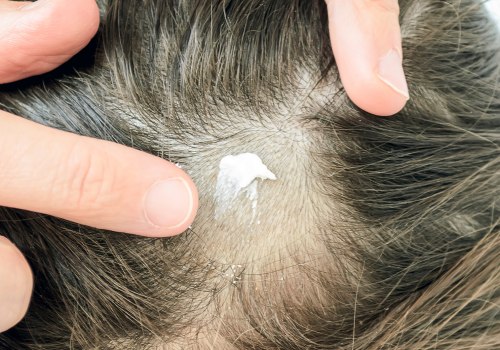
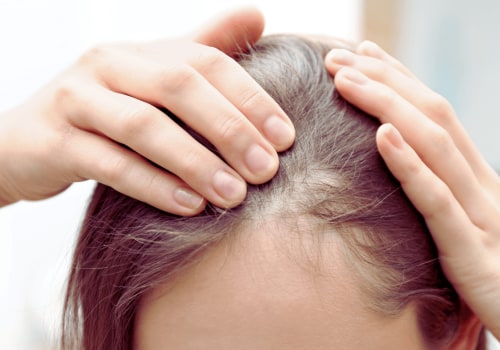
Hair loss is a common concern for many people, especially as they age. It can be a distressing experience, affecting one's self-esteem and confidence. While there are various causes of hair loss, one that is often overlooked is thyroid disorders.Hair loss is a common concern for many people, especially as they age. It can be a distressing experience, affecting one's self-esteem and confidence. While there are various causes of hair loss, one that is often overlooked is thyroid disorders.
The Thyroid Gland and Its Function
The thyroid gland is a butterfly-shaped organ located in the front of the neck, just below the Adam's apple. It is responsible for producing hormones that regulate metabolism, growth, and development in the body.These hormones also play a crucial role in maintaining healthy hair, skin, and nails. When the thyroid gland is not functioning properly, it can lead to an imbalance in hormone levels, resulting in various health issues, including hair loss.
Types of Thyroid Disorders
There are two main types of thyroid disorders: hypothyroidism and hyperthyroidism.Hypothyroidism
occurs when the thyroid gland does not produce enough hormones. This can be caused by an autoimmune disease called Hashimoto's thyroiditis, where the body's immune system attacks the thyroid gland. Other causes include radiation therapy, certain medications, and iodine deficiency.Hyperthyroidism
, on the other hand, occurs when the thyroid gland produces too much hormones. This can be caused by an autoimmune disease called Graves' disease or by nodules on the thyroid gland that produce excess hormones., on the other hand, occurs when the thyroid gland produces too much hormones. This can be caused by an autoimmune disease called Graves' disease or by nodules on the thyroid gland that produce excess hormones.The Link Between Thyroid Disorders and Hair Loss
Thyroid disorders can affect hair growth in several ways.One of the main ways is through disruption of the hair growth cycle. Normally, hair grows in three phases: anagen (growth phase), catagen (transition phase), and telogen (resting phase). In individuals with thyroid disorders, this cycle can be disrupted, leading to an increase in the number of hairs in the telogen phase. This results in hair thinning and eventually, hair loss. Another way thyroid disorders can cause hair loss is by affecting the production of hormones that are essential for healthy hair growth.
Thyroid hormones play a crucial role in the development and maintenance of hair follicles. When there is an imbalance in these hormones, it can lead to hair loss. Furthermore, thyroid disorders can also cause changes in the scalp, making it dry and itchy. This can lead to inflammation and damage to the hair follicles, resulting in hair loss. Thyroid hormones play a crucial role in the development and maintenance of hair follicles. When there is an imbalance in these hormones, it can lead to hair loss. Furthermore, thyroid disorders can also cause changes in the scalp, making it dry and itchy. This can lead to inflammation and damage to the hair follicles, resulting in hair loss.
Other Symptoms of Thyroid Disorders
Hair loss is just one of the many symptoms of thyroid disorders. Other common symptoms include fatigue, weight gain or loss, changes in heart rate, muscle weakness, and mood swings. In hypothyroidism, individuals may experience dry skin, constipation, and feeling cold all the time.In hyperthyroidism, they may experience increased sweating, diarrhea, and feeling hot all the time.
Diagnosing and Treating Thyroid Disorders
If you are experiencing hair loss along with other symptoms mentioned above, it is essential to consult a doctor for proper diagnosis and treatment. Your doctor may perform a physical exam and blood tests to check your hormone levels. Treatment for thyroid disorders depends on the type and severity of the condition. In hypothyroidism, synthetic thyroid hormone medication is prescribed to replace the hormones that your body is not producing enough of. In hyperthyroidism, medications may be prescribed to block the production of excess hormones or to slow down the thyroid gland's activity. It is important to note that hair loss caused by thyroid disorders may take some time to improve, even with treatment.It is also possible for hair to grow back once the thyroid disorder is under control.
Preventing Hair Loss from Thyroid Disorders
While it may not be possible to prevent hair loss entirely, there are steps you can take to minimize its effects. These include:- Eating a well-balanced diet that includes foods rich in iodine, iron, and zinc, which are essential for healthy hair growth.
- Taking supplements, if necessary, to ensure you are getting enough of these nutrients.
- Managing stress levels, as stress can worsen hair loss.
- Using gentle hair care products and avoiding harsh chemicals or heat styling tools.
- Seeking treatment for any underlying thyroid disorders.