Morphollica: An Educational Resource on Hair Loss, Eyebrow Thinning & Cosmetic Brow Restoration
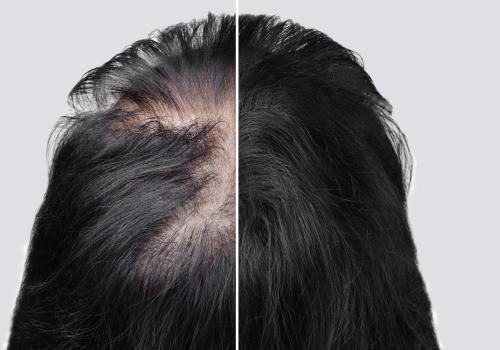
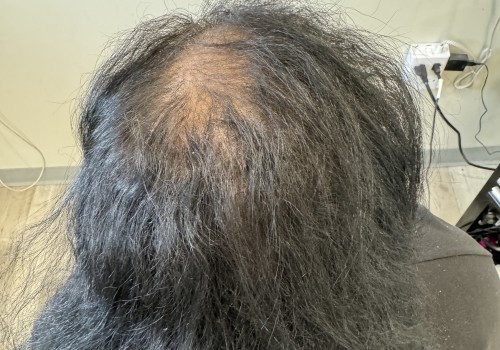
Hair loss takes many forms, affecting not only the scalp but often the eyebrows and other facial features that shape expression. At Morphollica, our goal is to provide clear, accessible information that helps readers understand why these changes occur and what non-medical, cosmetic options exist for restoring natural symmetry and appearance.
While every person’s experience with hair loss is unique, many share similar questions about thinning brows, patterns of alopecia that affect the face, and the practical ways to recreate a natural-looking brow line. This site explores those topics from an educational perspective, focusing on appearance, confidence, and aesthetic approaches rather than medical treatment.
Eyebrow Loss and Why It Matters
Eyebrow thinning or loss can result from alopecia, aging, over-plucking, hormonal shifts, or personal beauty practices that place stress on the brow area. Because the brows frame the eyes and influence nonverbal expression, even subtle changes in density or shape can alter how someone looks and feels.
Here at Morphollica, we examine how brow loss affects proportion, facial harmony, and day-to-day presentation. We also explore realistic, cosmetic restoration options that help individuals rebuild structure and clarity without relying on medical solutions.
Cosmetic Solutions for Recreating Natural Brow Shape
From temporary makeup and guided shaping to semi-permanent options like modern brow pigmentation techniques, many non-medical approaches can help restore definition. These methods are especially meaningful for individuals facing conditions such as alopecia areata, traction alopecia, hormonal thinning, or loss related to chemotherapy.
If you’re looking for a deeper explanation of how alopecia affects the brows and what cosmetic options are commonly used to rebuild brow appearance, you can visit our dedicated guide:
Alopecia & Eyebrow Loss: Cosmetic Options for Restoring Natural-Looking Brows
This page serves as the core educational hub of the site.
Our Approach
Morphollica is not a medical resource and does not discuss treatments, medications, or cures. Instead, we focus on:
understanding how hair and brow patterns change
exploring the visual effects of thinning
examining cosmetic solutions used for aesthetic restoration
supporting readers as they learn about options suited to their personal preferences
Our aim is to help individuals better understand their own hair-loss patterns and the cosmetic tools available for restoring familiar features.
Topics We Cover
You’ll find educational content on:
how brow density changes with age
common forms of alopecia and their aesthetic impact
eyebrow loss after chemotherapy
understanding brow symmetry and facial balance
cosmetic techniques for rebuilding brow shape
emotional and expressive effects of hair and brow changes
As our library grows, these pages serve as a foundation for anyone navigating appearance-related aspects of hair loss.
About the Author
Lena Moritz — Dermatology-Informed Aesthetic Writer
Lena writes about hair-loss patterns, eyebrow thinning, and cosmetic approaches to rebuilding natural-looking brows. Her work focuses on educational topics related to appearance, confidence, and non-medical restoration options. All information provided is for general understanding only and not intended as medical guidance.
Disclaimer
Morphollica offers general educational information related to hair loss, eyebrow thinning, and cosmetic restoration options. This site does not provide medical advice, diagnoses, or treatment recommendations. Readers should consult qualified professionals for medical concerns.